
How In-Space Mobility Systems Expand Deep Space Exploration
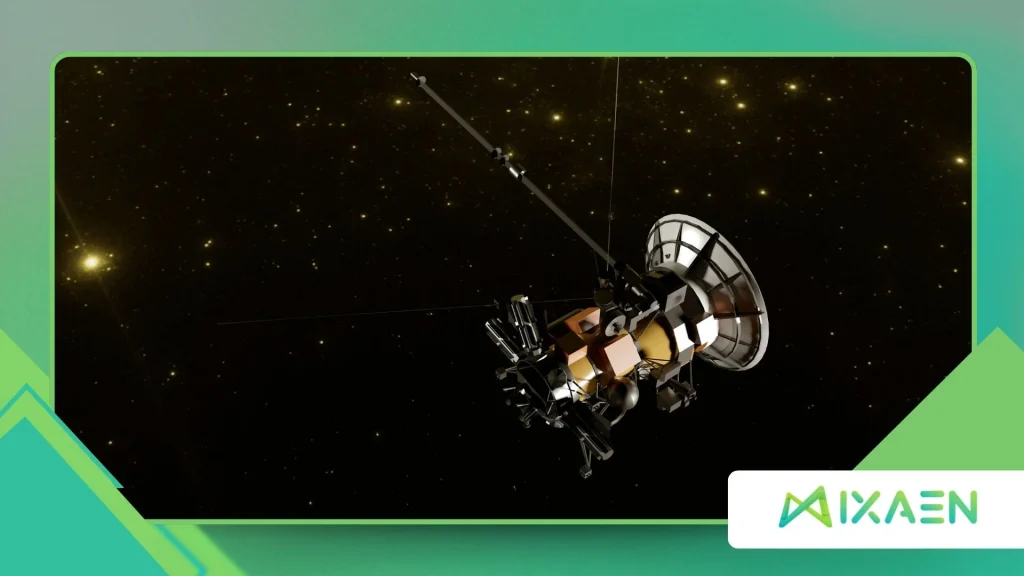
In-Space Mobility Systems represent the vanguard of modern aerospace engineering, fundamentally transforming how humanity reaches across the solar system.
As deep space exploration enters a dynamic new era in 2026, traditional launch vehicles alone can no longer sustain the complex orbital logistics required for permanent lunar outposts and crewed Mars missions.
Space agencies and commercial innovators are deploying advanced transfer vehicles, orbital tugs, and reusable propulsion architectures to bridge the immense distances between Earth and distant celestial bodies.
This article explores the technological breakthroughs, operational strategies, and economic paradigms driving this revolution in orbital transportation.
Quick Navigation
- What are In-Space Mobility Systems and why do they matter now?
- How do orbital transfer vehicles and reusable tugs function?
- What are the primary advantages for deep space missions?
- Why is refuelling architecture critical for sustainable space travel?
- How does commercial partnership accelerate space mobility development?
What are In-Space Mobility Systems and why do they matter now?
What defines modern orbital logistics?
Modern orbital logistics encompasses a sophisticated network of vehicles designed to operate exclusively in the vacuum of space, far beyond Earth’s atmosphere.
In-Space Mobility Systems include chemical upper stages, nuclear thermal propulsion prototypes, and electric ion thrusters capable of maneuvering heavy payloads between orbits.
These systems eliminate the need for a single, massive rocket to carry all fuel and propulsion hardware from the surface of Earth.
By decoupling deep-space transit from planetary launch constraints, mission planners can design heavier, more capable spacecraft optimized purely for interplanetary travel.
++ Could AI Be the Future of Deep Space Exploration?
Why is this technological shift occurring right now?
The rapid commercialization of low Earth orbit and the renewed international focus on lunar habitation have created an urgent demand for efficient space logistics.
Rising launch cadences and declining payload costs make it economically viable to stockpile propellants and assemble heavy infrastructure in orbit.
Furthermore, recent technological milestones in autonomous orbital rendezvous and docking have reduced the operational risks associated with complex multi-stage orbital transfers.
Consequently, aerospace companies are heavily investing in flexible mobility platforms that can adapt to changing mission parameters on short notice.
How do orbital transfer vehicles and reusable tugs function?
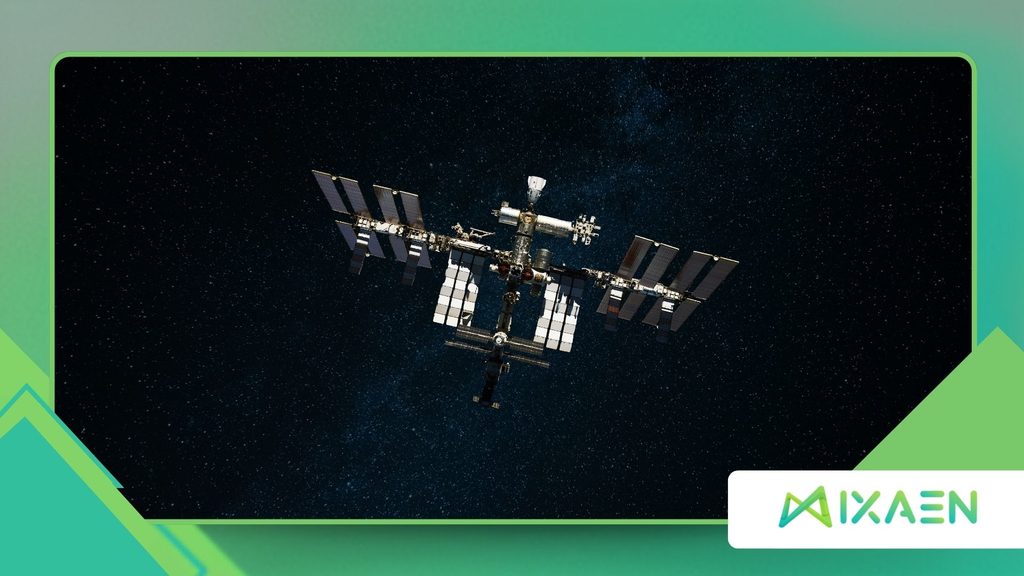
How do chemical and electric propulsion systems operate in tandem?
Orbital transfer vehicles utilize a hybrid propulsion approach, combining high-thrust chemical engines for rapid orbital insertions with high-efficiency electric ion thrusters for long-duration deep-space cruising.
This dual-mode capability allows spacecraft to conserve precious reaction mass while navigating complex gravitational gradients between Earth, the Moon, and Martian trajectories.
Advanced thermal management systems and lightweight solar arrays provide the continuous power required to keep ion engines running smoothly across multi-year interplanetary campaigns.
Also read: What We’ve Learned from Landing Rovers on Other Planets
How does orbital refuelling extend mission lifespans?
Propellant depots stationed at strategic Lagrange points act as cosmic gas stations, enabling transfer vehicles to refuel repeatedly rather than burning through their primary reserves during initial launch.
Cryogenic fluid management technologies now allow space agencies to store supercooled liquid hydrogen and oxygen in microgravity for extended periods without excessive boil-off.
When a tug docks with a propellant depot, it transfers fuel autonomously, resetting its operational range and drastically reducing the lifecycle cost of deep space exploration missions.
What are the primary advantages for deep space missions?
What benefits do flexible mobility networks offer astronauts?
Flexible mobility networks provide unprecedented safety margins for crewed missions by establishing redundant transport options and prepositioned emergency return vehicles in deep space.
If a primary habitat module encounters critical life-support failures, an autonomous mobility system can reposition emergency supplies or relocate crew members to a secure shelter orbit.
Additionally, shorter transit times achieved through continuous-thrust ion propulsion minimize astronaut exposure to hazardous cosmic radiation and microgravity-induced bone density loss.
Read more: Reimagining the Hubble: How It Changed the Way We See Space
How do these systems reduce overall mission costs?
Traditional deep-space architectures require colossal, single-use rocket configurations that are discarded after a single burn, driving mission costs into the billions of dollars.
In-Space Mobility Systems disrupt this expensive paradigm by utilizing reusable orbital tugs that remain in service for decades, requiring only routine maintenance and propellant replenishment.
According to a 2025 aerospace logistics report by the Space Infrastructure Council, modular orbital transfer networks reduce long-term deep-space transport expenditures by up to forty-two percent compared to legacy expendable systems.
| System Component | Primary Function | Typical Propulsion Type | Reusability Potential |
| Orbital Tug | Cargo repositioning & station keeping | Electric Ion / Chemical | High (Reusable for 10-15 years) |
| Propellant Depot | Long-term fuel storage in microgravity | Passive Thermal Shielding | Permanent Orbital Infrastructure |
| Interplanetary Stage | Crew transit between Earth and Mars | Nuclear Thermal / Advanced Chemical | Moderate (Modular refurbishment) |
Why is refuelling architecture critical for sustainable space travel?
What role do cryogenic depots play in interplanetary flight?
Cryogenic propellant depots serve as the cornerstone of sustainable deep-space architecture, solving the tyranny of the rocket equation by allowing spacecraft to depart Earth’s gravity well light and fuel up in orbit.
Without orbital refuelling, launching a crewed vehicle to Mars would require a rocket several times larger than any currently operational launcher, making the financial and engineering hurdles nearly insurmountable.
By breaking heavy interplanetary missions into smaller, manageable payload launches followed by orbital assembly and fueling, missions become feasible and economically sustainable.
How do advanced thermal controls prevent fuel loss?
Storing volatile propellants like liquid hydrogen in the harsh thermal environment of space presents severe engineering challenges due to solar radiation and cosmic heat flux.
Modern depots utilize multi-layer insulation blankets, active cryocoolers, and sun-shielding orientations to maintain cryogenic temperatures over multi-month storage cycles.
Recent orbital flight tests conducted in late 2025 successfully demonstrated zero-boil-off technology for liquid methane and oxygen, marking a critical milestone for long-duration deep-space exploration logistics.
How does commercial partnership accelerate space mobility development?
How are private aerospace firms driving innovation?
Private aerospace companies bring agile engineering practices, rapid prototyping cycles, and significant venture capital investment to the traditionally risk-averse space sector.
Commercial providers compete fiercely to deliver the most cost-effective cargo delivery and orbital transfer services to government space agencies under fixed-price contract models.
This competitive dynamic has compressed development timelines for advanced propulsion prototypes and standardized docking interfaces across different commercial spacecraft.
What are the economic impacts of a thriving orbital economy?
A robust orbital transportation market unlocks entirely new commercial sectors, ranging from in-space manufacturing of high-purity optical fibers to asteroid prospecting and commercial space station tourism.
As In-Space Mobility Systems become standardized utilities, small startups and research universities can deploy experimental payloads to deep space without building custom launch vehicles from scratch.
This democratization of deep space access fosters a vibrant, self-sustaining space economy that generates high-tech jobs and drives global technological advancement.
Frequently Asked Questions
What are In-Space Mobility Systems and how do they work?
They are specialized vehicles and infrastructure operating in orbit that transfer cargo, refuel spacecraft, and maneuver payloads between different celestial trajectories using chemical or electric propulsion.
Why are these mobility systems considered essential for Mars missions?
They eliminate the need for gargantuan single-launch rockets by allowing spacecraft to refuel in orbit and travel along optimized interplanetary trajectories with maximum payload capacity.
How does orbital refuelling change the economics of space exploration?
Orbital refuelling drastically cuts costs by reusing transport vehicles and storing propellant in depots, reducing the mass that must be lifted directly from Earth’s expensive gravity well.
What propulsion technologies power modern orbital transfer vehicles?
They combine high-thrust chemical engines for rapid orbital maneuvers with high-efficiency electric ion propulsion and emerging nuclear thermal concepts for long-duration deep-space cruising.
How can readers engage with or follow modern space exploration developments?
You can follow specialized aerospace news outlets, participate in citizen science space initiatives, and share your thoughts on the future of commercial space infrastructure in the comments below.
