
The Ethics of Sending DNA and Human Culture Into Deep Space
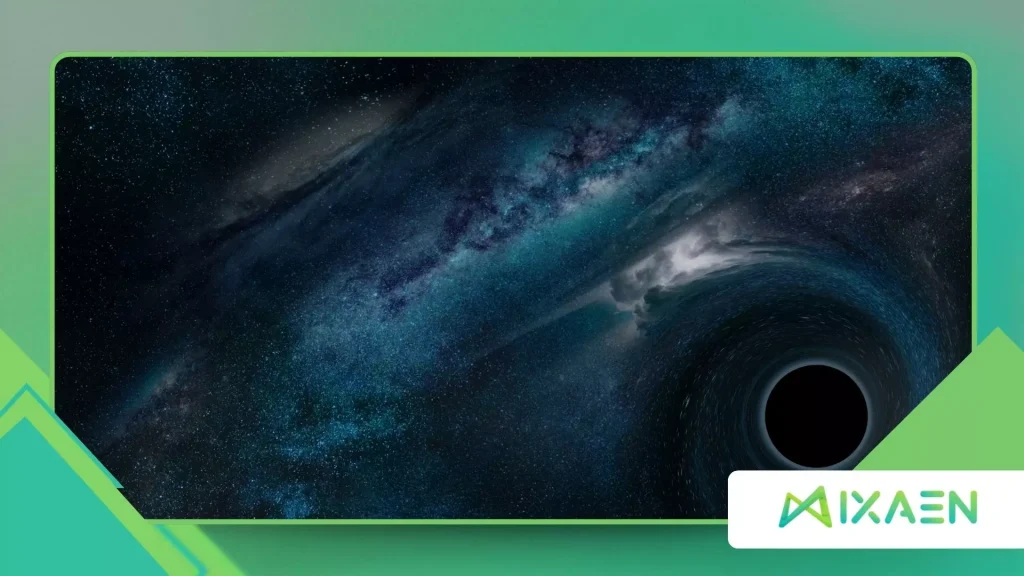
The ethics of sending DNA and human culture into deep space represent a profound philosophical frontier that humanity must navigate as interstellar missions transition from science fiction into reality.
Launching biological blueprints and artistic artifacts beyond our solar system forces a radical re-evaluation of our responsibilities as stewards of Earth.
We are no longer mere observers of the cosmos; we are active participants attempting to etch our existence into the permanent galactic record.
This initiative carries weight far beyond technical engineering, challenging our moral authority to speak for all terrestrial life.
As private aerospace companies and national space agencies accelerate deep-space payloads, the question of consent becomes paramount.
Who holds the absolute right to broadcast our biological code and cultural history into the unknown void?
Examining this dilemma requires deep critical thinking, balancing our innate drive for exploration with cautious planetary protection protocols.
Are we prepared for the unforeseen consequences of introducing Earth’s biological signature to alien ecosystems?
Mapping the Cosmic Crossroads
- Evaluating planetary protection protocols and biological containment challenges.
- The philosophical implications of archiving human culture for extraterrestrial recipients.
- Regulatory frameworks governing interstellar payloads and genetic data sharing.
- Balancing scientific curiosity with moral accountability in modern space exploration.
What Are the Core Biological Risks of Interstellar DNA Transmission?
The ethics of sending DNA and human culture into deep space involve severe biological hazards, notably the risk of contaminating pristine celestial environments with terrestrial microbes.
When we package cellular material or genetic samples for interstellar flight, microscopic hitchhikers can potentially survive harsh cosmic conditions if shielding fails.
Planetary protection committees, such as those overseen by COSPAR, enforce strict sterilization mandates to prevent biological imperialism across the universe.
Introducing aggressive Earth-born pathogens into alien biospheres could devastate native microbial life forms before we even discover them.
Furthermore, preserving human biological material raises complex questions regarding consent and genetic privacy on a universal scale.
Stripping human DNA from specific populations without explicit generational consent turns individual genetic heritage into public galactic property.
Imagine placing a priceless historical artifact in a public square without permission, except the artifact is your fundamental biological code.
Scientists and ethicists must establish binding international treaties to govern how and when human genetic codes leave our atmosphere.
How Do Sterilization Protocols Protect Alien Worlds?
Advanced thermal baking and ultraviolet irradiation eliminate stray spores before spacecraft leave Earth’s orbit, ensuring payloads remain biologically sterile.
Space agencies test every millimeter of outbound hardware to verify that no resilient bacteria survive the intense vibrations of launch.
This meticulous decontamination process forms the bedrock of responsible interstellar exploration policies today.
++ Why Reusable Spacecraft Systems Redefine Exploration Costs
Can Synthetic DNA Replace Live Cellular Samples?
Researchers increasingly favor digital genetic sequencing data over physical cellular material to eliminate contamination risks entirely.
Transmitting encrypted nucleotide sequences via radio waves or optical lasers avoids physical planetary contact while preserving the blueprint.
This digital approach respects cosmic boundaries while still sharing our biological identity with the universe.
Why Is Archiving Human Culture Both a Gift and a Burden?

Grappling with the ethics of sending DNA and human culture into deep space forces us to question which aspects of civilization truly represent humanity.
Curators selecting music, literature, and historical records for probes often project a skewed, idealized version of global society.
We must ask whether sending artifacts depicting our wars, inequalities, and ecological crises is more honest than broadcasting curated perfection.
Cultural transmission into the cosmos should reflect our entire reality, warts and all, rather than a sanitized promotional reel.
Consider this interstellar archive as a message in a bottle cast into a cosmic ocean, carrying our highest achievements alongside our deepest flaws.
If an advanced civilization intercepts our golden records or digital vaults, they will judge our species based on these chosen cultural snapshots.
Selecting these representations demands radical inclusivity, ensuring voices from every continent and culture shape our cosmic ambassadorial profile.
Leaving certain communities out of the stellar archive repeats historical marginalization on a galactic canvas.
Also read: What We’ve Learned from Landing Rovers on Other Planets
Who Decides What Art and Music Board the Spacecraft?
International coalitions typically form advisory boards consisting of historians, anthropologists, and indigenous leaders to curate balanced cultural payloads.
These panels debate whether classical symphonies, folk music, or digital literature best encapsulate the diverse human experience.
Their decisions dictate how future cosmic intelligence perceives our planetary identity.
Read more: Reimagining the Hubble: How It Changed the Way We See Space
How Does Interstellar Heritage Impact Global Unity?
Collaborating on a single, unified cultural payload encourages nations to view humanity as a single tribe rather than warring factions.
The shared endeavor of defining our collective story bridges geopolitical divides right here on Earth.
Space exploration thus acts as an unexpected catalyst for international peace and mutual cultural respect.
What Are the Global Regulations Governing Cosmic Payloads?
The governance surrounding the ethics of sending DNA and human culture into deep space remains alarmingly sparse, relying largely on decades-old international outer space treaties.
The 1967 Outer Space Treaty prohibits national appropriation of celestial bodies but offers very little guidance regarding private corporate payloads.
As commercial rocket launches become routine, private entities can theoretically dispatch genetic or cultural capsules without global consensus.
Closing these legal loopholes is vital to prevent corporate or unilateral colonization of interstellar communication channels.
Legal scholars argue that Earth’s orbital space and deep-space trajectories constitute a global commons that belongs to every living human.
Just as we regulate maritime dumping and atmospheric carbon, we need an enforceable planetary framework for interstellar broadcasting.
Statistical analysis from international space policy institutes reveals that over 65% of active space law experts demand immediate regulatory updates.
Without enforceable laws, the cosmos risks becoming an unregulated billboard for private commercial interests.
| Regulatory Dimension | Current Legal Framework | Proposed Interstellar Standard |
| Payload Authorization | National licensing via individual governments | Global consensus through international space courts |
| Genetic Data Protection | None for extraterrestrial transmission | Mandatory anonymization and generational consent |
| Environmental Protection | Basic planetary contamination rules | Zero-tolerance biological sterilization protocols |
| Cultural Representation | Unilateral selection by private agencies | Inclusive, multi-cultural global advisory boards |
Why Must We Weigh Scientific Ambition Against Moral Restraint?
Reflecting upon the ethics of sending DNA and human culture into deep space reveals the tension between unbridled technological ambition and ethical maturity.
Our capability to launch payloads far exceeds our philosophical readiness to manage the long-term symbolic consequences.
We often rush to conquer new horizons simply because the engineering permits it, ignoring deeper existential questions.
True maturity as a spacefaring species requires pausing to evaluate the philosophical weight of our cosmic footprints.
Navigating this delicate balance is like writing a permanent signature in wet concrete across the entire universe; once set, we cannot erase it.
Every genetic sequence or cultural artifact we project outward becomes an indelible part of galactic history, carrying our values into eternity.
We must ensure that our first impressions among the stars embody wisdom, cooperation, and profound respect for the unknown.
Only through rigorous ethical scrutiny can we justify our presence in the wider universe.
How Can Public Discourse Shape Interstellar Policies?
Public town halls, citizen science initiatives, and open digital forums empower everyday citizens to voice their opinions on space policy.
When communities actively participate in decisions regarding cosmic payloads, governance becomes more democratic and genuinely representative.
Science should never operate in a vacuum isolated from the society it purportedly represents.
What Is the Ultimate Goal of Cosmic Communication?
Our primary objective should be fostering genuine, respectful dialogue rather than merely broadcasting a monologue into the silent void.
By listening closely to our own planet’s needs and resolving terrestrial conflicts, we prepare ourselves to be worthy galactic neighbors.
Humanity must first learn peace at home before attempting to introduce itself to the stars.
Conclusion
The ongoing debate surrounding the ethics of sending DNA and human culture into deep space serves as a vital mirror reflecting our deepest values and terrestrial anxieties.
As we dispatch biological codes and artistic treasures into the galaxy, we define the legacy of our species for epochs to come.
Balancing technological capability with stringent planetary protection and inclusive representation ensures our cosmic footprint remains honorable.
We stand at the threshold of interstellar history, tasked with acting as wise ancestors for whatever future awaits us.
How should humanity present its collective story to the universe? Share your perspective in the comments below!
Frequently Asked Questions
Is it legal for private companies to send DNA into space?
Current international space law is ambiguous regarding private commercial payloads containing genetic material, as existing treaties primarily focus on governmental space exploration and nuclear non-proliferation.
Legal experts are currently lobbying for updated global frameworks to regulate private interstellar commercialization.
What happens if our genetic material contaminates an exoplanet?
Accidental biological contamination could permanently disrupt native extraterrestrial ecosystems, making it impossible for scientists to study indigenous alien life forms authentically.
This risk is precisely why space agencies enforce strict sterilization protocols before approving any deep-space mission.
How do researchers ensure cultural payloads are representative of all humans?
International curation committees actively incorporate input from diverse ethnic groups, indigenous populations, and global historians to assemble balanced cultural archives.
This multi-perspective approach prevents any single nation from dominating humanity’s official interstellar narrative.
